
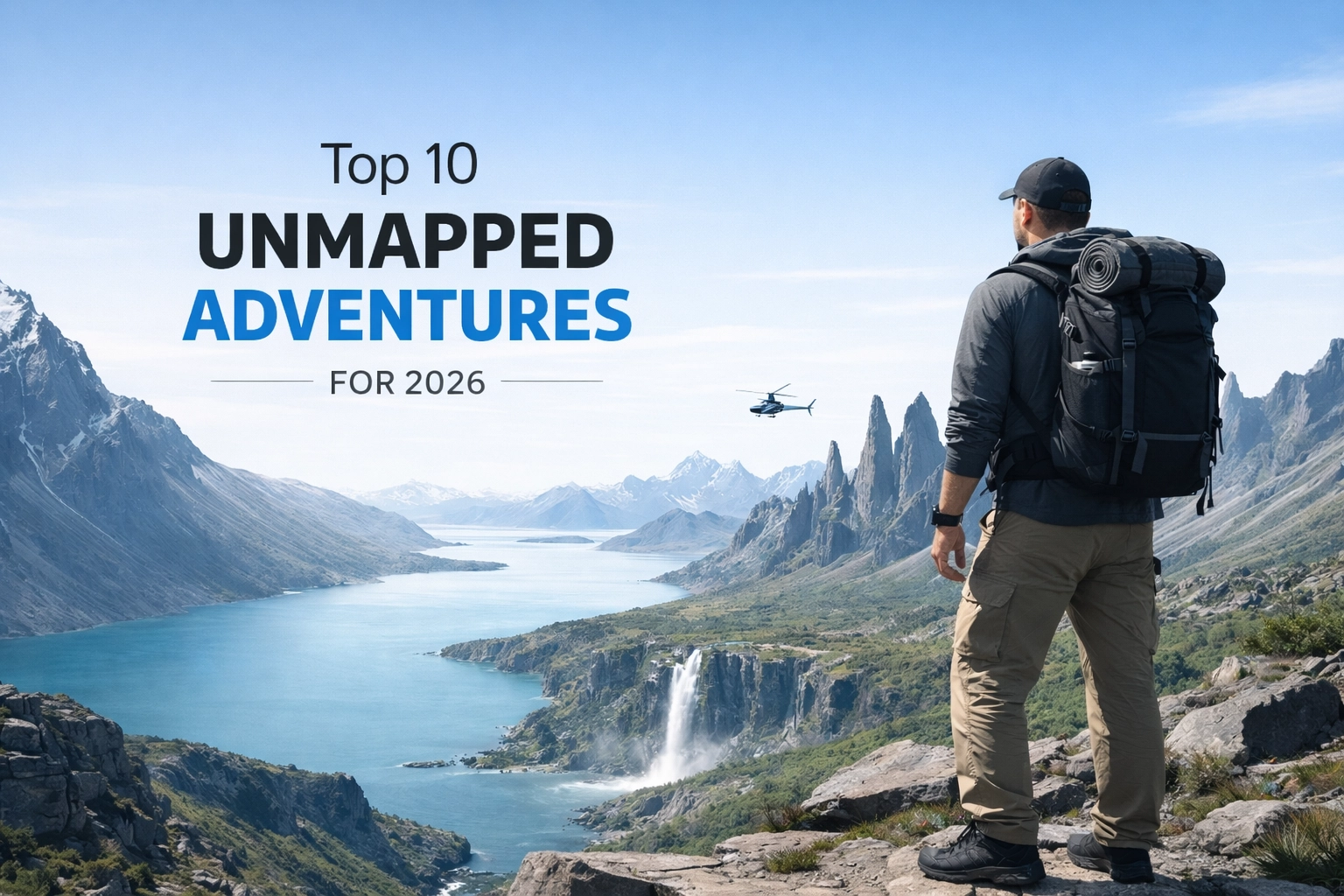
At The Unmapped, we turn ‘once-in-a-lifetime’ into your next Monday. We specialize in adventure travel for those who value discovery over resorts, and as we look toward 2026, the definition of "adventure" is shifting. It’s no longer just about how high you can climb or how far you can run; it’s about how deeply you can disappear into a landscape.
The modern explorer doesn't want a pre-packaged itinerary. You want the raw, the quiet, and the technically challenging. You want to go where the Wi-Fi signal dies and the story begins. Here are the top 10 unmapped adventures for 2026 that should be on your radar.
10. Silk Road Explorer (Uzbekistan & Turkmenistan)
For 2026, we’re going farther into the timeline—into desert edges, remote ancient cities, and landscapes that make distance feel real again. A Silk Road route through Uzbekistan and Turkmenistan is architecture, history, and isolation in one clean hit.
You’ll move through legendary crossroads and into stark, cinematic desert—minarets and mosaics one day, empty horizons the next. It’s for travelers who like their culture immersive and their logistics a little more advanced—because the best places still make you earn them.
9. Eco-Diving in Coiba National Park (Panama)
Coiba is Panama’s “Nature Island” for a reason—UNESCO-protected, remote, and still operating on nature’s terms. This is eco-diving for travelers who care about what’s below the surface as much as the thrill of being in it.
Expect healthy reefs, big schools, and a strong chance of encounters with larger pelagics depending on season. Surface intervals are just as good: jungle-backed islands, minimal development, and that rare feeling of being somewhere the modern world hasn’t smoothed over.
8. World Nomad Games (Kyrgyzstan)
If you want culture you can feel in your bones, go where tradition is a full-contact sport. The World Nomad Games bring together athletes and communities across Central Asia for events rooted in steppe life—horse games, wrestling, archery, and skills built for mountains and movement.
Between competitions, you’re in yurt camps, highland landscapes, and conversations that don’t feel curated. It’s immersive in the most direct way: show up, be respectful, and you’ll leave with a new definition of “heritage.”
7. The Fishermen’s Trail (Portugal)
Portugal’s Algarve gets the crowds. The Fishermen’s Trail gets the wild coastline—wind-cut cliffs, boardwalks over dunes, and footpaths that thread above the Atlantic like a clean line on a map.
This is rugged coastal trekking with real payoff: hidden coves, tide-sculpted rock formations, and small villages where the day still runs on the fishing boats. Do it point-to-point, pack light, and let the ocean set the pace.
6. Stargazing Safari (Northumberland, UK)
This is the kind of night that makes you forget your phone exists. Northumberland is home to some of the darkest skies in Europe, anchored by Northumberland International Dark Sky Park—a place where the Milky Way doesn’t show up faintly, it shows off.
Base yourself near Kielder Observatory for guided sessions that go beyond “spot the planets.” Think deep-sky objects, meteor showers, and winter constellations that look almost too sharp to be real. Pair it with cold-weather hikes, quiet reservoirs, and the rare luxury of true darkness.
5. Tactical Slow Travel: Knitting Tours in Ireland & Norway
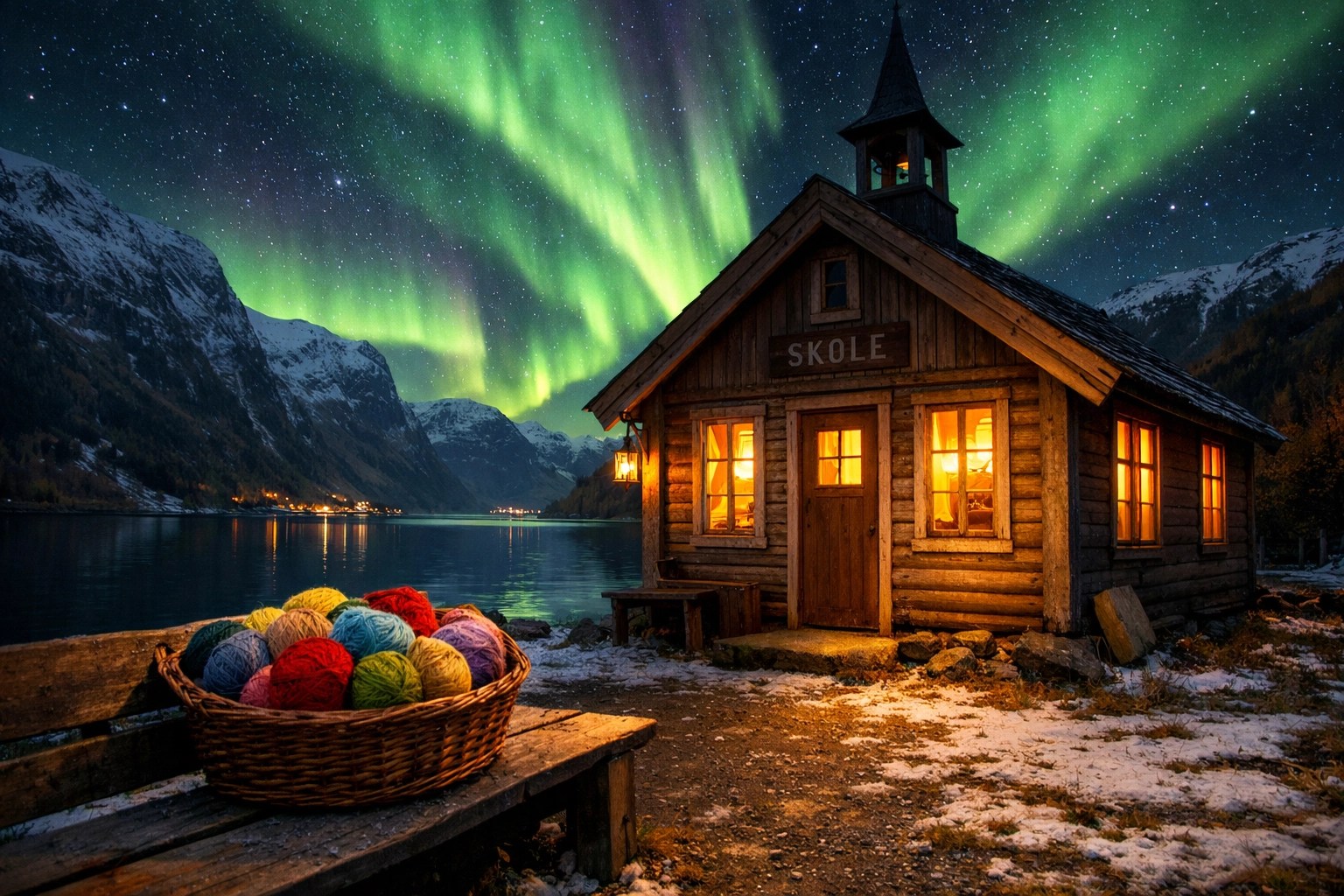
Hear us out: knitting is the new meditation for the adventurous soul. In the rugged landscapes of the Aran Islands or the fjords of Norway, knitting isn't a hobby; it’s a survival skill and a cultural anchor.
These "tactical" tours focus on the heritage of wool and the intricate patterns that tell the stories of seafaring communities. You’ll hike to remote sheep farms, learn traditional dying techniques using local plants, and master complex stitches that have been passed down through generations. It’s slow travel at its most profound.
4. Immersive Culinary Expeditions: Paris & Italy
We’re ditching the "watch-the-chef" demos for 2026. The new culinary adventure is about mastery. In Paris, this means going deep into the arrondissements to learn the technical science of boulangerie from bakers who have been perfecting their sourdough for decades.
In Italy, it’s about moving past pasta-making 101. We’re talking about immersive residencies in rural farmhouses where you learn the entire lifecycle of your food: from milking the sheep for pecorino to pressing the olives for oil. It’s a gritty, hands-on way to experience the culture of a place through its most basic elements.
3. Staying in a Rustic Schoolhouse
In 2026, "luxury" is being redefined as space, silence, and simplicity. We are seeing a massive surge in travelers seeking out repurposed historic structures: specifically rustic schoolhouses in remote regions like Scandinavia, the American West, or the Scottish Highlands.
These aren't your typical Airbnbs. They are minimalist sanctuaries. Imagine a converted 19th-century schoolhouse in a windswept valley, where the "amenities" include a wood-burning stove, a library of physical books, and a view that hasn't changed in a hundred years. It’s the ultimate basecamp for the unmapped traveler who needs to disconnect to reconnect.
2. Truffle Hunting in the Wilds of Italy
Adventure has a flavor, and it’s usually earthy, pungent, and hidden six inches underground. In 2026, we’re moving away from the tourist-heavy truffle "demonstrations" and heading into the rugged forests of Piedmont and Umbria for the real deal.
This is a tactile, sensory adventure. You’ll be out at dawn with a local trifolau and their highly trained dogs, navigating steep, muddy ravines and thick underbrush. It’s a lesson in patience and connection to the land. When you finally unearth a "black diamond" or a rare white truffle, the reward isn't just the meal: it's the hunt itself.

1. The Dongseo Trail, South Korea
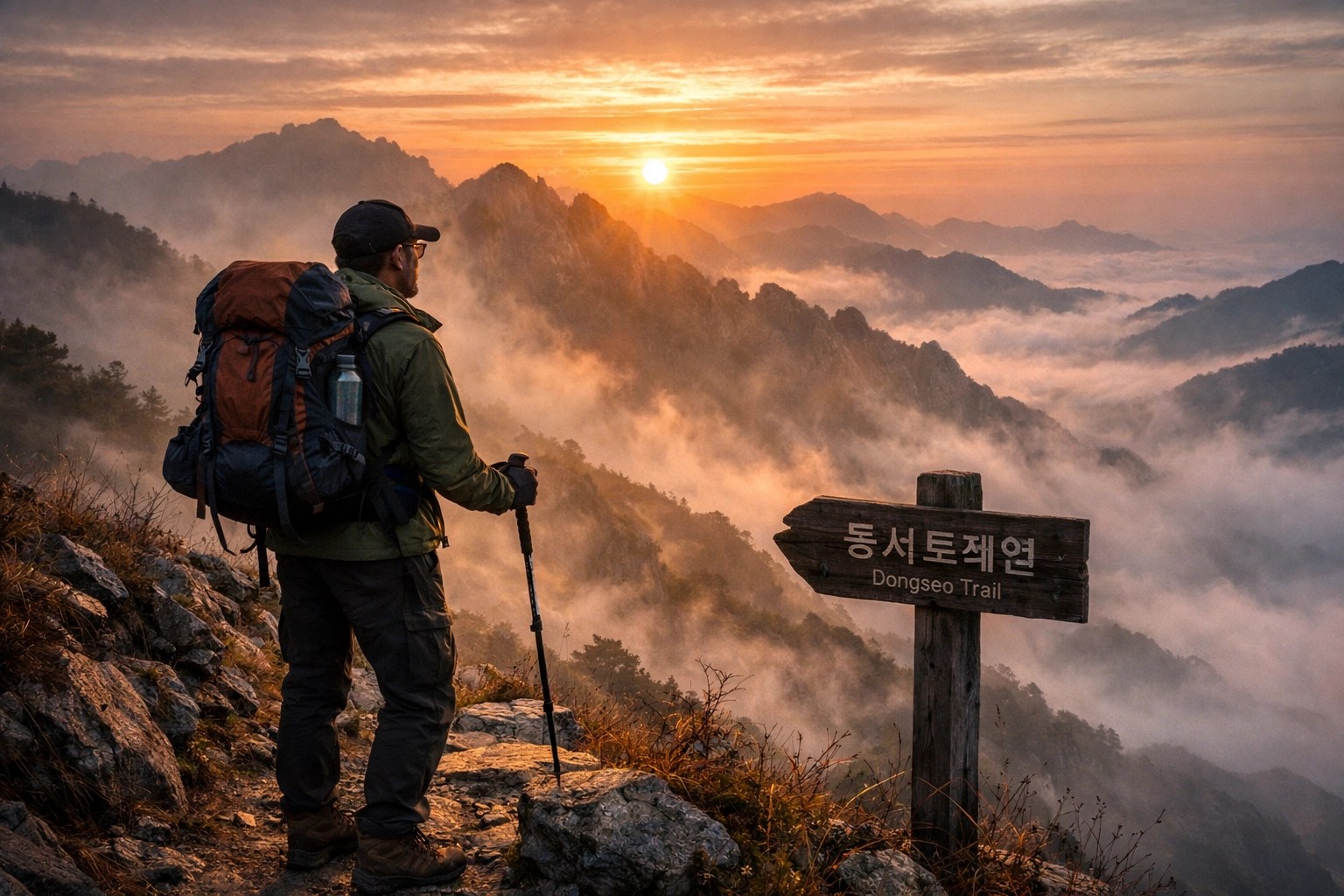
For a long time, South Korea’s hiking scene was defined by its verticality: scaling the granite peaks of Seoraksan or Bukhansan. But 2026 belongs to the Dongseo Trail. This is a massive, 849km coast-to-coast route that cuts horizontally across the Korean Peninsula, connecting the East Sea to the Yellow Sea.
This isn’t just a walk; it’s a 55-section pilgrimage through the country’s mountainous spine. You’ll traverse through ancient pine forests, past quiet Buddhist hermitages, and into rural villages where time seems to have stalled in the 1970s. The flagship route is designed for the long-haul hiker who wants to see the "real" Korea, far removed from the neon pulse of Seoul.
Ready to Map Your 2026?
The world is getting smaller, but the unmapped corners are still there if you know where to look. Whether you’re looking to traverse South Korea or find silence in a remote schoolhouse, we’re here to help you navigate the journey.
Don’t just take a trip. Go on an expedition.
Fill out our 2026 Adventure Survey to tell us where you want to go next. We’ll help you get there.
Leave a Reply